Sleep Pod vs. Backyard Studio: Which Actually Fits Your Space and Budget?
Sleep Pod vs. Backyard Studio: Which Actually Fits Your Space and Budget?
Post Tags:
| QUICK ANSWER
✓ Compact sleeping pods start around $3,000–$5,000, while insulated backyard studio pods typically run $15,000–$30,000. ✓ A $20,000 factory quote for a backyard studio can realistically land closer to $50,000 once shipping, crane placement, and foundation work are added. ✓ Sleep pods suit rest, overflow guest space, or short-stay use; backyard studios suit full-time work, long-term guest living, or rental income. ✓ The global sleeping pod market is valued at roughly $2.7 billion in 2026 and continues to grow, reflecting rising demand for compact living and rest solutions. |
“Pod” has become a catch-all term that covers everything from a $3,000 compact sleeping capsule to a $50,000 fully wired backyard office. If you are trying to compare options, the price spread alone can be confusing — the products are not interchangeable, and choosing the wrong one means either overpaying for space you do not need or underbuying for a use case that demands more. This guide breaks down the real difference between a sleep pod and a backyard studio pod, what each actually costs once all-in expenses are counted, and how to decide which one fits your yard, budget, and purpose.
What Is a Sleep Pod?
A sleep pod is a small, self-contained rest unit — typically just large enough for a bed and minimal storage, without full bathroom or kitchen facilities. They are built for a narrow, specific job: extra sleeping space for guests, a private nap or rest space in a commercial or shared setting, or a low-cost way to add sleeping capacity without a full room addition. Because they are compact and simpler to manufacture, sleep pods are the most affordable category of prefab pod, with commercial and residential compact models commonly priced in the $3,000–$5,000 range.
What Is a Backyard Studio Pod?
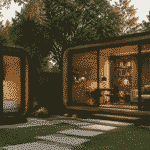
A backyard studio pod is a larger, insulated, fully wired structure designed for daily use as a home office, guest suite, gym, or creative studio. Unlike a sleep pod, a studio pod is built to code standards suitable for regular occupancy, typically including electrical wiring, insulation, windows, and sometimes plumbing for a small bathroom or kitchenette. This is reflected in the price: garden office pods generally run $15,000 to $30,000 for the unit itself, before installation costs.
Cost Comparison: Sleep Pod vs. Backyard Studio
| Factor | Sleep Pod | Backyard Studio Pod |
| Typical unit cost | $3,000–$5,000 | $15,000–$30,000 |
| All-in cost with delivery, crane, foundation | Usually modest — minimal site work needed | Can reach $50,000+ once shipping, crane placement, and foundation are added |
| Insulation & climate control | Minimal to none | Full insulation, often heating/cooling included |
| Electrical/plumbing | Minimal or none | Full electrical wiring; plumbing optional |
| Typical use | Overnight guest space, rest area, short stays | Home office, rental suite, long-term guest living |
The single biggest budgeting mistake buyers make with studio pods is pricing only the factory quote. Site work — crane placement to set the unit, a foundation or pad, and delivery logistics — can add tens of thousands of dollars on top of a $20,000 unit price, which is why the all-in cost for a fully installed studio pod often lands much closer to $40,000–$50,000 than the sticker price suggests.
When a Sleep Pod Is the Right Choice
- You need occasional extra sleeping space for guests without converting a room or building an addition.
- You are adding rest space in a commercial, hospitality, or shared-living setting where guests need a private place to sleep but not a full suite.
- Budget is the primary constraint and you do not need insulation, plumbing, or year-round climate control.
- You want something that can be placed with minimal site work and no major foundation.
When a Backyard Studio Pod Is the Right Choice
- You need a space for daily use — a home office, therapy or creative studio, or workout space — that has to be comfortable in all seasons.
- You are creating a long-term guest suite or a rentable unit, where code-appropriate insulation and electrical are non-negotiable.
- You want a structure that could add resale value to your property as a legitimate accessory structure, not just a temporary add-on.
- You have budget for both the unit and the site work — foundation, utility hookups, permits — that a permanent structure requires.
What to Check Before You Buy Either One
- Local permitting rules: many municipalities require permits for structures over a certain size or intended for occupancy, even in a backyard.
- Site access: confirm a crane or delivery truck can actually reach your intended placement spot before ordering.
- Foundation requirements: ask the manufacturer directly whether your specific unit needs a poured foundation, piers, or a simple gravel pad.
- Insulation rating: if you plan year-round use, confirm the insulation is rated for your climate, not just described as “insulated.”
- What is and is not included: electrical hookup, interior finishing, and delivery are sometimes quoted separately from the base unit price — get an itemized quote.
Real Pod Options: Sleep Pods and the Egg-Shell Pod Home
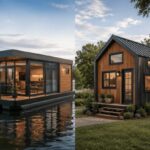
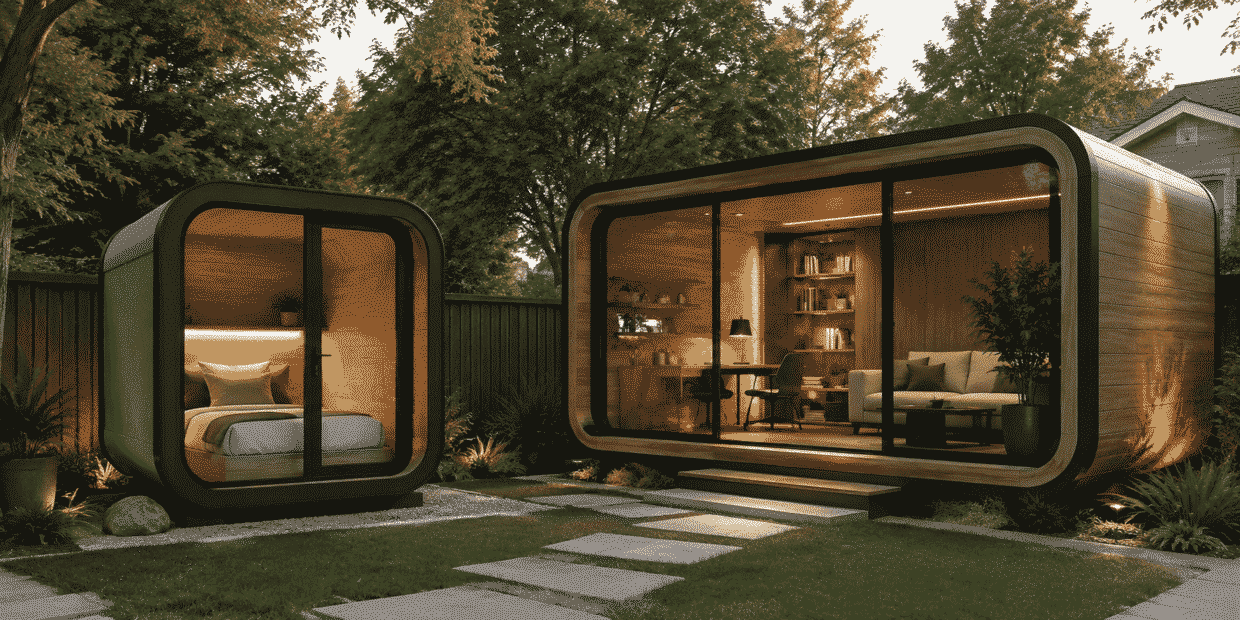
Within the pods and capsules category, two product lines illustrate this exact size and price spectrum. Sleep Pods are the compact option — built for rest and overnight use rather than daily occupancy, and priced accordingly at the lower end of the pod market. The Egg-Shell Pod Home sits further up the spectrum, styled as a more complete small living structure rather than a bare sleeping unit. If you are deciding between the two, the right first question is not “which looks better” but “how many hours a day will someone actually be inside it” — that single answer points most buyers toward the right category before price ever enters the conversation.
Design and Customization Options
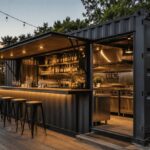
Both categories have moved well past the plain white box aesthetic that early pod designs were known for. Exterior cladding options now commonly include wood siding, corrugated metal, and painted finishes that can match or complement an existing home. Interior finishes for studio pods typically extend to flooring choice, wall paneling, and built-in shelving or desking, while sleep pods generally keep interior options simpler given their smaller footprint and lower price point. Window placement is worth planning deliberately in either case — a studio pod used as a daytime office benefits from more natural light, while a sleep pod used mainly at night may prioritize privacy and blackout coverage instead.
Maintenance and Lifespan: What to Expect Over Time
| Factor | Sleep Pod | Backyard Studio Pod |
| Expected lifespan | Several years with basic upkeep | Comparable to a small permanent structure with proper maintenance |
| Ongoing maintenance | Minimal — exterior cleaning, occasional sealant checks | Similar to a small home: roof, exterior seals, HVAC servicing |
| Weatherproofing needs | Basic, since typically used seasonally or short-term | Full weatherproofing expected for year-round exposure |
| Resale/relocation | Lighter units may be easier to relocate | Heavier, more integrated units are less easily moved once installed |
Because a studio pod is treated more like a permanent structure, factor ongoing maintenance into your long-term budget the same way you would for any small building — roof inspections, exterior sealant, and HVAC servicing are not optional extras if you want the unit to perform well for years rather than a single season.
Pods vs. a Full Room Addition
It is worth comparing pods against the alternative most people default to: a traditional room addition. A permitted home addition commonly starts well above $100,000 once framing, roofing, and finishing are included, with timelines stretching many months. A backyard studio pod, even at the higher end of $50,000 all-in, is typically faster to install and less disruptive to the main house, since it does not require tying into the existing structure. The tradeoff is that a pod is a standalone accessory structure, not additional square footage connected to your home — which matters if your goal is specifically to expand livable space within the house itself.
Financing and Buying Process
Most manufacturers sell pods either as a factory-direct order with a deposit and balance-on-delivery structure, or through a dealer network offering financing plans. Because pods sit outside the conventional mortgage system — they are typically classified as accessory structures, not primary dwellings — financing options usually resemble those for RVs or home improvement loans rather than traditional home loans. If financing is part of your plan, confirm early which structures a lender will actually finance, since some will cover a studio pod tied to a permanent foundation but not a lighter, more mobile sleep pod.
- Get a written quote that separates unit cost, delivery, crane/placement, foundation, and any electrical or plumbing hookup.
- Ask directly whether the quoted price includes permitting assistance or whether that is your responsibility.
- Confirm lead time from order to delivery — this can range from a few weeks to several months depending on the manufacturer and current demand.
- If financing, ask the lender specifically which structure types and foundation setups they will approve before you finalize a design.
Is a Pod the Right Fit for You?
If you need occasional extra sleeping space and want to spend as little as possible, a sleep pod solves that problem directly. If you need a genuinely usable, all-season space for work, guests, or rental income, a backyard studio pod is the better investment, provided you budget for the full installed cost rather than the unit price alone. Either way, get a written, itemized quote before comparing options — the base unit price rarely tells the whole story.
Frequently Asked Questions
What is the difference between a sleep pod and a backyard studio pod?
A sleep pod is a compact, minimally finished unit built for rest or overnight guest use, typically priced $3,000–$5,000. A backyard studio pod is larger, insulated, and wired for daily use as an office, studio, or guest suite, typically priced $15,000–$30,000 for the unit alone.
How much does a backyard pod really cost once installed?
While factory quotes often start around $20,000, the fully installed cost — including shipping, crane placement, and foundation work — can realistically reach $50,000. Always ask for an itemized, all-in quote rather than comparing base unit prices.
Do I need a permit for a backyard pod?
In many areas, yes, particularly for structures intended for regular occupancy or above a certain size. Permit requirements vary by municipality, so confirm local rules before ordering a unit.
Can a sleep pod be used year-round?
Sleep pods are generally built for short-stay or overnight use and often lack the insulation and climate control needed for comfortable year-round occupancy. For daily, all-season use, a backyard studio pod is the more appropriate option.
Are pods cheaper than a traditional room addition?
Generally, yes. A permitted home addition often starts well above $100,000 and takes months to complete, while even a fully installed backyard studio pod typically costs less and can be installed faster, since it does not require tying into the existing home structure.
What size is a typical sleep pod or studio pod?
Sizes vary by manufacturer and model. Sleep pods are generally compact, sized for a bed and minimal storage, while studio pods are larger, designed to accommodate a desk, seating, or small living area comfortably.
Can a studio pod be used as a rental unit?
Some buyers do use backyard studio pods as long-term guest suites or rental units, but this depends heavily on local zoning and accessory dwelling unit regulations. Confirm what is legally permitted in your area before planning a build around rental income.
Do pods require a foundation?
It depends on the model and local building code. Some lighter units can sit on a simple gravel or paver pad, while others require a poured foundation or pier system. Ask the manufacturer directly what your specific unit requires.
How is a pod delivered and installed?
Most prefab pods are built off-site and delivered by truck, then placed using a crane or heavy equipment appropriate to the unit’s weight and your site access. Confirm delivery access to your property before finalizing an order.
Which is better for a home office: a sleep pod or a studio pod?
A studio pod is the appropriate choice for a home office, since it includes the insulation, electrical wiring, and climate control needed for comfortable daily work. A sleep pod is not designed or equipped for that kind of regular occupancy.
Sources
Pricing figures referenced in this article are drawn from 2026 industry sources including Accio, Autonomous, BioHouseTech, and CapsuleCastle market data. Figures are illustrative market ranges as of August 2026 and vary by manufacturer, size, region, and site conditions — always confirm current pricing and installation requirements directly with a manufacturer before purchasing.


Recent Blog Posts