What Is a Dome Home? The Complete Beginner’s Guide to Geodesic Living
What Is a Dome Home? The Complete Beginner’s Guide to Geodesic Living
Post Tags:
Dome homes are becoming more popular every year. People love them for their unique look, strong structure, and energy efficiency. However, most people do not know much about them before they start looking.
This guide explains everything you need to know about dome homes — from what they are to whether they are right for you.
What Is a Dome Home?
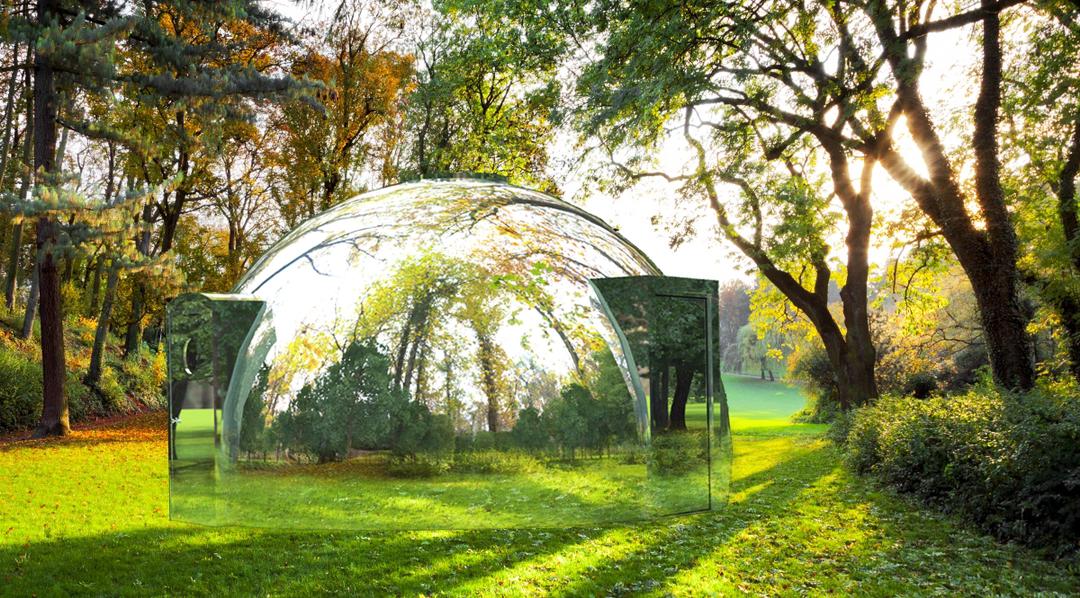
A dome home is a house shaped like a half-sphere or rounded dome. The most common type is called a geodesic dome (pronounced jee-oh-DEH-sik). Geodesic means the structure is made of triangular panels that form a sphere shape.
Buckminster Fuller, an American architect, popularized geodesic domes in the 1950s. As a result, they became known for being incredibly strong and lightweight at the same time.
How Is a Dome Home Different from a Regular House?
A traditional house has flat walls, sharp corners, and a pitched roof. A dome home, however, has curved walls that flow directly into the ceiling. There are no separate wall and roof sections.
This difference matters a lot. For example, the dome shape spreads weight evenly across the entire structure. As a result, dome homes are one of the strongest types of buildings you can live in.
What Are Dome Homes Made Of?
Dome homes are built from several different materials. The most common ones include:
- Steel and aluminum frames with insulated panels
- Timber frames covered with spray foam insulation
- Fiberglass shells for prefabricated dome kits
- Concrete for permanent, ultra-durable dome structures
At Safe Room Designs, we build dome homes using strong steel-frame construction. In addition to this, we add high-quality insulation panels for energy efficiency and weather resistance.
Why Do People Choose Dome Homes?
1. They Are Incredibly Strong
Dome homes handle extreme weather far better than traditional houses. The rounded shape deflects wind instead of blocking it. For example, a dome home can withstand hurricane-force winds that would damage a standard roof.
In addition to this, the structure handles heavy snow loads much better. The dome spreads weight evenly, so there is no single weak point.
2. They Are Energy Efficient
Dome homes use less energy to heat and cool. This happens because the sphere shape has less surface area than a box-shaped house of the same size. As a result, less heat escapes in winter and less cool air escapes in summer.
Many dome home owners report energy savings of 30–50% compared to their previous traditional homes. However, proper insulation is the key to achieving these savings.
3. They Are Unique and Beautiful
No two dome homes look exactly the same from the inside. The curved walls and open floor plan create a dramatic, open living space. For example, a central dome with a skylight at the top fills the home with natural light all day.
Many people find dome homes calming and comfortable. The rounded interior feels warm and welcoming — very different from square rooms.
4. They Are Disaster-Resistant
Dome homes perform well during earthquakes, tornadoes, and hurricanes. The reason is simple: forces that would crack a flat wall distribute evenly across the dome’s curved surface. As a result, the structure stays intact under stress.
Insurance companies in some states recognize this strength. In addition to this, FEMA has studied dome homes and found they perform significantly better than traditional homes in natural disasters.
What Are the Downsides of a Dome Home?
Dome homes are not perfect. Here are the main challenges you should know about:
- Curved walls make furniture placement tricky — standard furniture fits awkwardly against rounded walls.
- Permits can be harder to get — some counties do not have standard codes for dome structures.
- Contractors are less familiar with dome construction — you need a specialist, not a general builder.
- Resale value is unpredictable — dome homes are niche, so the buyer pool is smaller.
However, most dome home owners say the benefits far outweigh these challenges. Proper planning before you build solves most of these issues.
How Much Does a Dome Home Cost?
Dome home costs vary widely based on size, materials, and customization. Here is a general range:
- Small prefab dome kit (20–30 ft diameter): $20,000 – $50,000
- Mid-size custom dome home (30–50 ft diameter): $80,000 – $200,000
- Large luxury dome home (50+ ft diameter): $200,000 – $500,000+
These prices include materials and basic construction. In addition to this, you will need to budget for land, permits, foundation, and interior finishing. On average, a turnkey dome home costs $150 – $250 per square foot.
What Size Dome Home Do You Need?
Dome size is measured by diameter — the distance across the widest point. Here is a simple size guide:
- 20–24 ft diameter: Suitable for 1–2 people, studio or 1-bedroom layout
- 30–36 ft diameter: Ideal for small families, 2–3 bedrooms
- 40–50 ft diameter: Comfortable for families of 4–5, full home layout
- 60+ ft diameter: Large family or multi-use dome with open great room
Keep in mind that dome homes feel larger than their square footage suggests. The high curved ceiling and open center space create a feeling of more room. As a result, many buyers find a smaller dome meets their needs perfectly.
Can You Customize the Interior of a Dome Home?
Yes — absolutely. The interior of a dome home is very flexible. You can add partition walls to create separate rooms. Many dome home owners also add a loft level to create an extra bedroom or studio space.
For example, a 40-foot dome can have an open living and kitchen area on the ground floor and a loft bedroom above. In addition to this, skylights and circular windows are easy to add for natural light.
Is a Dome Home Right for You?
Ask yourself these questions before you decide:
- Do you live in an area with extreme weather — hurricanes, tornadoes, heavy snow?
- Are you looking for lower energy bills and an eco-friendly lifestyle?
- Do you want a home that stands out and reflects your personal style?
- Are you open to working with a specialist builder rather than a standard contractor?
- Are you comfortable with an unconventional home layout and curved walls?
If you answered yes to most of these, a dome home is a great fit. However, if you prefer a traditional floor plan and plan to sell soon, a standard home may suit you better.
Final Thoughts
Dome homes offer something that few other housing options can match — strength, energy efficiency, and a truly unique living experience. As a result, they attract people who want to live differently and build smarter.
At Safe Room Designs, we custom-build dome homes to fit your family’s exact needs. Contact us today to get a free quote and explore our dome home models.