Are Tiny Homes Worth It in 2026?
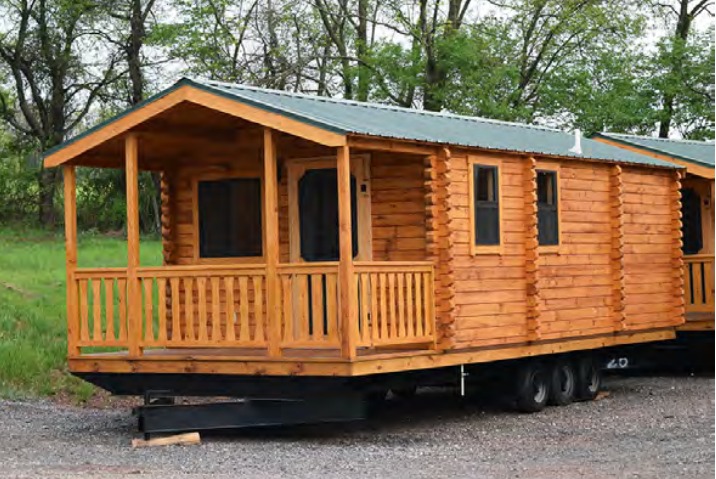
Are Tiny Homes Worth It in 2026?
Post Tags:
Quick Answer: Yes — for the right buyer, tiny homes are absolutely worth it in 2026. They cost 60–80% less than a traditional home, eliminate or drastically reduce mortgage debt, and offer lifestyle freedom most conventional homeowners never experience. The key is understanding the trade-offs before you commit.
The tiny home movement has been growing steadily for over a decade, but 2026 is a different story. Housing affordability has hit a crisis point. Mortgage rates remain elevated. First-time buyers are priced out of traditional markets. And more Americans than ever are asking: is there a smarter way to own a home?
At Safe Room Designs, we’ve been building custom tiny homes and container homes since 1995. We’ve talked to thousands of buyers — young professionals, retirees, families downsizing, and people simply done with renting. This guide gives you an honest, data-grounded answer to whether a tiny home is worth it in 2026.
What Does ‘Worth It’ Actually Mean for a Tiny Home?
Whether a tiny home is worth it depends entirely on what you’re measuring. There are three lenses most buyers use:
- Financial value: Lower upfront cost, lower ongoing costs, reduced or eliminated mortgage
- Lifestyle value: Freedom to travel, simplicity, reduced stress from possessions
- Investment value: Resale potential, land appreciation, rental income
The honest answer is that tiny homes score very high on financial and lifestyle value — and moderately on investment value, depending on your land situation and location.
Tiny Home Costs vs. Traditional Home Costs in 2026
Let’s look at the numbers side by side.
| Category | Tiny Home | Traditional Home |
| Average Purchase Price | $30,000–$120,000 | $350,000–$500,000+ |
| Monthly Mortgage/Payment | $300–$800 | $2,000–$3,500+ |
| Monthly Utilities | $30–$150 (with solar) | $200–$500+ |
| Property Tax (annual) | $500–$2,000 | $3,000–$10,000+ |
| Build Time | 8–16 weeks | 6–18 months |
All Safe Room Designs homes include solar power as standard — meaning most owners see electricity bills near zero in sunny states.
5 Reasons Tiny Homes Are Worth It in 2026
1. You Can Own Outright (Or Close To It)
The median U.S. home price sits above $400,000 in 2026. At 7% interest over 30 years, that’s over $2,600/month just in mortgage payments — before taxes, insurance, and maintenance. A quality container tiny home from Safe Room Designs runs $30,000–$120,000 depending on size and customization. Many buyers purchase outright with savings or with a short personal loan they pay off in 2–5 years. The math is transformative.
2. Monthly Living Costs Drop Dramatically
Beyond the purchase price, tiny home owners consistently report lower ongoing costs. Smaller space = less to heat and cool. Solar power eliminates most utility bills. Less square footage = lower property tax in most states. Fewer possessions = fewer things breaking. Many tiny home owners save $1,500–$2,500 per month compared to renting or owning a traditional home.
3. The Build Quality Has Dramatically Improved
Early tiny homes got a bad reputation for being flimsy or RV-like. That’s changed. Modern custom container homes and steel modular tiny homes — like those Safe Room Designs has been building since 1995 — are structurally superior to many site-built homes. Steel frame construction withstands extreme weather. Double-glazed thermal windows reduce energy loss. HVAC systems are pre-installed and calibrated for the smaller space.
4. Financing Options Are Better Than Ever
One common objection to tiny homes is that they’re hard to finance. While it’s true that traditional mortgage lenders have been reluctant, that’s rapidly changing. Safe Room Designs works with Monevo financing options to make tiny homeownership more accessible. Additionally, USDA loans, FHA Title I loans, chattel loans, and personal loans are all viable paths depending on your situation and whether the home is on a permanent foundation.
5. Lifestyle Freedom Nobody Talks About Enough
Money aside, the biggest reason tiny home owners say it was worth it is psychological. When your housing costs drop by 60–80%, you have choices. You can work less. Travel more. Change careers. Build savings. The average American spends 30–40% of their take-home pay on housing. Tiny home owners who buy outright often spend less than 5%. That gap changes lives.
When Tiny Homes Are NOT Worth It
Being honest matters here. Tiny homes are not the right choice for everyone.
- Large families (4+ people) may feel genuinely cramped long-term
- Buyers who plan to resell in a hot traditional market may miss out on appreciation
- Those who require significant home office, hobby, or storage space may struggle
- If you haven’t secured land, the land search can be more complex than the home purchase
- Some counties still have restrictive zoning for tiny homes — research local rules first
At Safe Room Designs, we’re upfront about this. Our goal is finding you the right home — not just any home. If a tiny home isn’t the right fit for your family’s needs, we’ll tell you.
What Buyers Say: Real Tiny Home Owner Experiences
Across platforms like Reddit’s r/TinyHouses, TinyHouseTalk, and in conversations with our own customers, common themes emerge:
- “We paid off our home in 3 years. I’ll never go back.” — Gulf Coast owner, Safe Room Designs customer
- “It took adjustment but having zero rent or mortgage changed how we think about work.”
- “The build quality surprised us. Our container home has outlasted neighbors’ traditionally built homes through storms.”
The satisfaction rate among tiny home buyers is consistently high — particularly among those who did careful research and bought from an established builder.
Are Tiny Homes a Good Investment?
Tiny homes on owned land generally appreciate with the land itself. If you own the property, you’re building equity the traditional way — through land value growth. In high-demand rural and coastal markets, tiny homes on land have sold for significant premiums over the original purchase price.
Tiny homes on rented land (in parks or campgrounds) do not build equity the same way. They’re more comparable to mobile homes or RVs in resale terms.
Short-term rental (Airbnb/VRBO) of tiny homes on owned land has become a significant income stream for many owners. A well-placed tiny home in a desirable location can generate $800–$2,500/month in rental income.
Safe Room Designs: Tiny Homes Built to Last Since 1995
Safe Room Designs has served the Gulf Coast and customers nationwide for over three decades. Our container homes and modular tiny homes come standard with solar power, HVAC, and more customization options than any other builder we know of — with over 100 floor plans to choose from.
We ship nationwide and offer financing options through Monevo to make tiny homeownership achievable regardless of budget.
📞 Ready to find out if a tiny home is right for you? Call Safe Room Designs at +1-251-421-2398 or email info@saferoomdesigns.net — our team has helped thousands of buyers make the right call since 1995.
Frequently Asked Questions
Are tiny homes worth buying in 2026?
For the right buyer, yes — absolutely. If you value lower housing costs, freedom from mortgage debt, and simplified living, a tiny home delivers exceptional value in 2026. The quality of modern tiny homes — especially custom container and steel modular builds — has improved dramatically. Buyers who purchase outright often save $1,500–$2,500 per month compared to renting or paying a traditional mortgage, which radically changes their financial picture within just a few years.
How long do tiny homes last?
Quality-built tiny homes last 20–50+ years depending on materials and maintenance. Steel-frame container homes from builders like Safe Room Designs are among the most durable — the Corten steel used in shipping containers is designed to withstand decades of ocean transport abuse. With regular maintenance (sealing, paint touch-ups, HVAC servicing), a well-built container or modular tiny home easily lasts as long as a traditional site-built home.
Can you get a mortgage on a tiny home?
Yes, though it depends on the home type and how it’s classified. Tiny homes on permanent foundations can qualify for traditional mortgages, FHA loans, and USDA loans in some cases. Tiny homes on wheels are often financed through chattel loans, personal loans, or RV loans. Safe Room Designs works with Monevo to connect buyers with financing options. The financing landscape for tiny homes has improved significantly as demand has grown.
Is it cheaper to live in a tiny home?
Almost always, yes. Beyond the lower purchase price, tiny home owners pay less for utilities (especially with solar power), lower property taxes, lower insurance premiums, and have less maintenance. Many tiny home owners report total monthly housing costs of $300–$800, compared to $2,000–$3,500+ for traditional homeownership. Over 10 years, the difference can be $150,000–$300,000 in savings — money that can be invested, saved, or used to enjoy life more fully.
What are the downsides of tiny homes?
The main downsides are limited storage and living space, potential zoning restrictions in some counties, challenges with traditional financing, and a lifestyle adjustment period. Tiny homes on rented land don’t build equity the same way. Large families may find tiny homes too cramped for daily comfort. It’s also important to research zoning rules in your specific county before purchasing, as regulations vary widely across states and municipalities.
Are container homes the same as tiny homes?
Container homes are a category of tiny home that uses repurposed or new shipping containers as the structural shell. They offer some advantages over traditional tiny home builds: extreme structural durability, standardized dimensions that make customization predictable, and steel construction that handles weather well. At Safe Room Designs, our container homes can be configured as single-container tiny homes or multi-container larger residences — starting at 20ft. single units up to custom multi-container layouts.
Do tiny homes hold their value?
Tiny homes on owned land generally appreciate with the land value, similar to traditional homes. Tiny homes in desirable locations — coastal areas, outdoor recreation destinations, near growing cities — have shown strong appreciation. Tiny homes in parks or on rented land depreciate more like vehicles. The key factor is land ownership. If you own the land, your tiny home is a real estate asset that builds equity over time through land value appreciation.
What size tiny home do I need?
Most single adults and couples live comfortably in 200–400 sq ft. Small families with one or two children often need 400–600 sq ft. Safe Room Designs offers tiny homes starting at 20ft container units (roughly 160 sq ft) up to custom multi-container configurations exceeding 1,000 sq ft. The right size depends on your lifestyle: how much time you spend at home, your work situation, and how many people will be living in the space full-time.
Can I put a tiny home on my own land?
In most cases, yes — but you’ll need to check local zoning laws first. Most rural counties allow tiny homes on privately owned land. Some suburban areas have minimum square footage requirements that tiny homes don’t meet. An increasing number of states have passed pro-tiny-home legislation. Before purchasing a tiny home, check your county’s zoning code for minimum dwelling size requirements, setback rules, and utility hookup regulations. Safe Room Designs’ sales team can help guide you through common questions.
Who should buy a tiny home in 2026?
Tiny homes are ideal for: first-time buyers priced out of traditional real estate markets; retirees wanting to downsize and eliminate housing costs; people who work remotely and want location flexibility; buyers seeking a debt-free lifestyle; and investors looking to generate Airbnb or VRBO rental income on owned land. They’re less ideal for large families, people with significant storage needs, or buyers in areas with restrictive zoning — though even those situations are improving as tiny home acceptance grows.
— Published by Safe Room Designs | saferoomdesigns.com | +1-251-421-2398 | info@saferoomdesigns.net